At NeuroFlex, we organize our shop by six core needs rather than product types, because that is how we experience the world, regardless of age.
*Note: This guide is a starting point for exploring these categories and is not a diagnosis. Many individuals have overlapping needs, and only a professional can provide a formal assessment.*
Communication
This is about how we understand and use language to connect with others.
Signs: Frustration when unable to express thoughts, relying on pointing or physical guidance instead of verbalizing needs, or struggling to follow multi-step instructions.
What helps: Picture cards, symbol boards, and speech-generating devices.
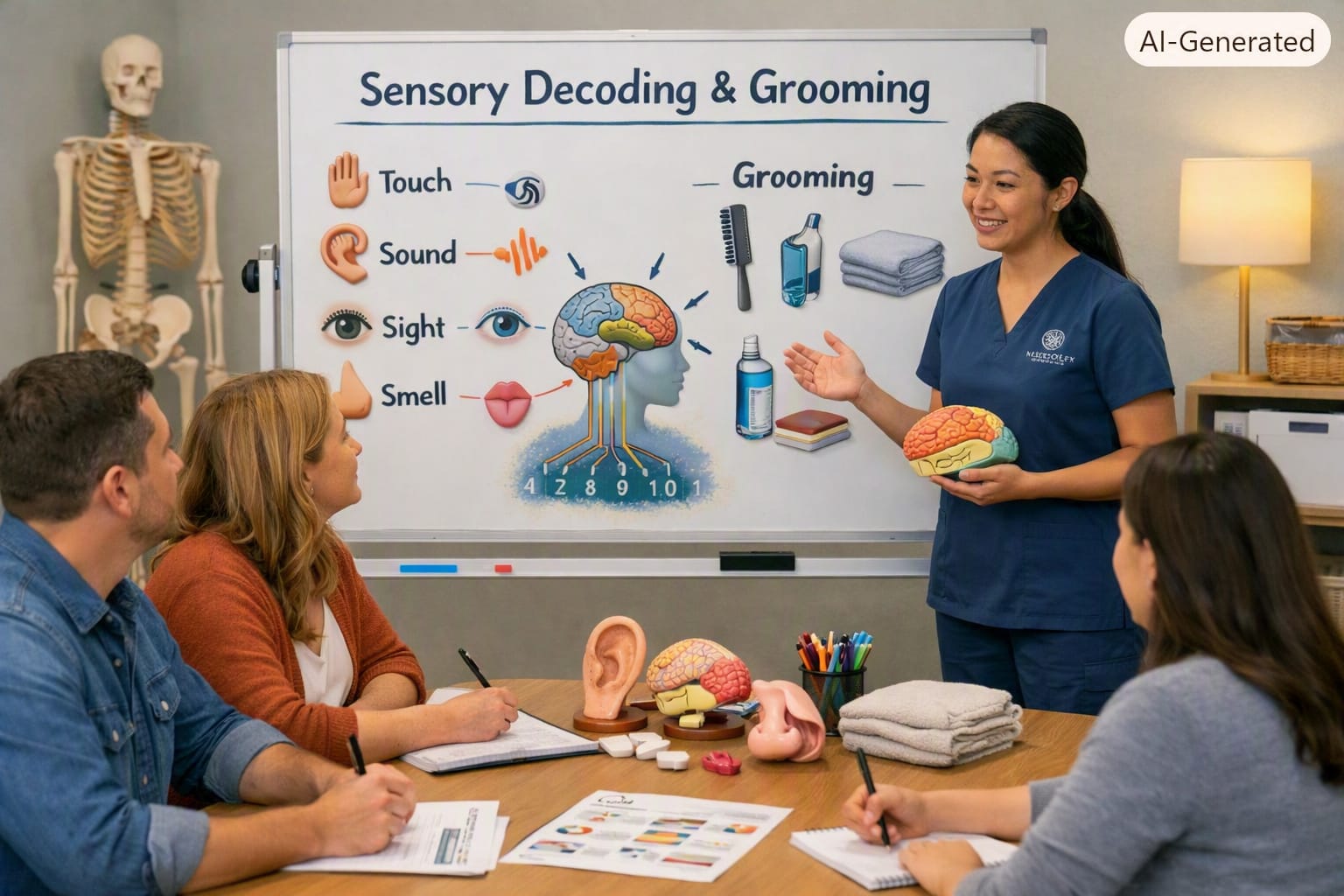
Sensory Regulation
This involves how our bodies manage input like light, sound, touch, and movement to feel comfortable.
Signs: Feeling easily overwhelmed by noise or textures, or conversely, seeking constant movement—such as spinning or touching objects—to feel settled.
What helps: Weighted blankets, busy boards, fidgets, chewable items, spinning chairs, aerial hammocks and dedicated quiet spaces.
Motor Skills
This covers fine motor skills (precise hand movements for tasks like writing or using cutlery) and gross motor skills (balance, movement, and physical confidence).
Signs: Finding daily physical tasks or movements more difficult or tiring than expected.
What helps: Threading toys, ergonomic grips, balance boards, and similar equipment.
Focus and Calm
This relates to attention, the ability to wait, managing strong emotions, and moving between activities.
Signs: Being easily distracted, feeling restless, or finding it difficult to settle down after becoming overwhelmed.
What helps: Timers, visual schedules, and fidgets that help make the day more predictable and give the body a helpful focus.
Independence
These are the practical skills of daily life, such as dressing, eating, personal hygiene, and following a routine.
Signs: Relying heavily on others to start, sequence, or finish everyday tasks that are typically managed alone.
What helps: Visual schedules, busy books, step-by-step picture guides, and self-care aids that encourage progress one small step at a time.
Early Learning
This involves building foundational skills, such as sorting, matching, understanding concepts like shapes and colors, and problem-solving.
Signs: Preferring to learn through hands-on, concrete materials rather than abstract instruction.
What helps: Montessori-style materials, sorting and matching games, and simple puzzles.
Remember: You don’t have to choose the “perfect” category, as it is normal for needs to overlap. Simply pick the area that feels most important right now, and let that guide your next step. If you have concerns, please consult a paediatrician, therapist, or educational psychologist for professional advice.