Blog
Tips and advice
Short, practical guidance you can use today, written plainly and grounded in good evidence. Free to read, with no sign up.
How to understand what you or your loved one needs
Our shop is organized around six core needs rather than product types, because that is how we experience the world, regardless of age.
ReadResponding to a seizure: a calm, practical guide
Seeing a seizure can be frightening, but the most helpful thing you can do is stay calm and let it run its course, as most seizures end on their own after a few minutes.
ReadHelping first words come: a gentle start with AAC
Just because a child isn’t speaking yet doesn’t mean they don’t have plenty to say. Often, the desire to communicate is there, but they lack a reliable tool to express it.
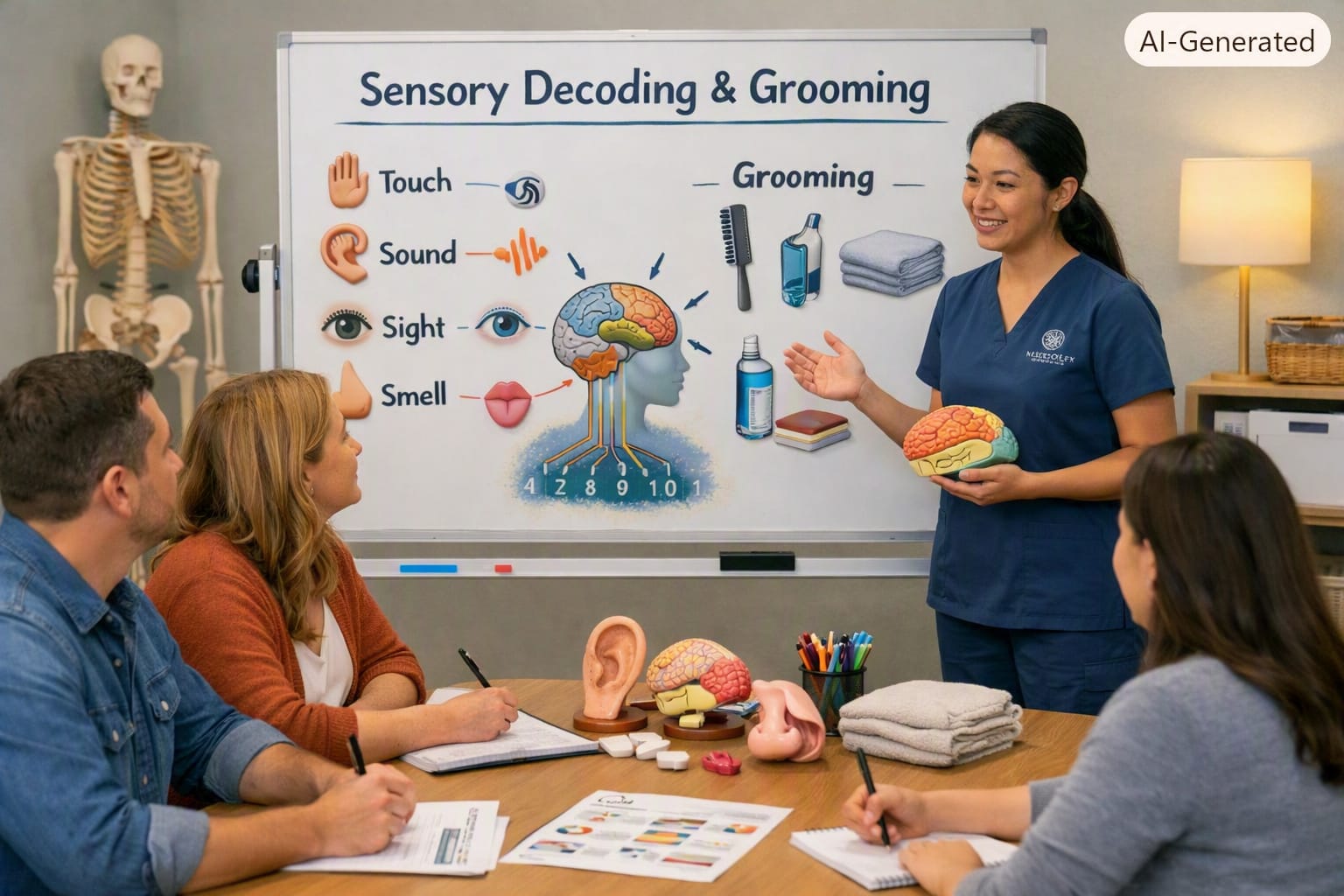
ReadReading the signs of sensory overload
Children rarely go from calm to distressed instantly; there is almost always a buildup of smaller, quieter signals that you can learn to recognize.
ReadWhy deep pressure calms: weighted blankets, lap pads and vests
For many people with sensory or attention differences, firm, even pressure is one of the most reliable ways to feel calm.
ReadVisual schedules: helping a child know what comes next
Many moments of distress are actually caused by anxiety about the unknown. Visual schedules are a highly effective, straightforward way to reduce this anxiety.
ReadFollowing your child’s lead in play
While adults often approach playtime with specific goals, lessons, or instructions in mind, "child-led play" encourages you to set those agendas aside.
ReadSmall wins still count
It is easy to focus on checklists and milestones and feel like no progress is being made. However, for a child who learns differently, progress rarely arrives in large, obvious leaps.
ReadYou do not have to do this alone
Caring for someone with developmental needs can sometimes feel isolating. But you aren’t alone—help is closer than you think.
ReadNeurodivergence in Mauritian schools: recognising what is often missed
Many children in Mauritius with mild to moderate neurodivergence remain unrecognized because their struggles are often mistaken for other behaviors.
ReadHeavy Work: Why Your Child Needs Push-and-Pull Play
When a child frequently pushes furniture, carries heavy items, crashes into cushions, or hangs off your arms, they are likely seeking "heavy work".
Read