Practical knowledge
Understanding & Supporting Epilepsy
What epilepsy is, in plain terms: the kinds of seizures, what helps, and how to respond calmly.
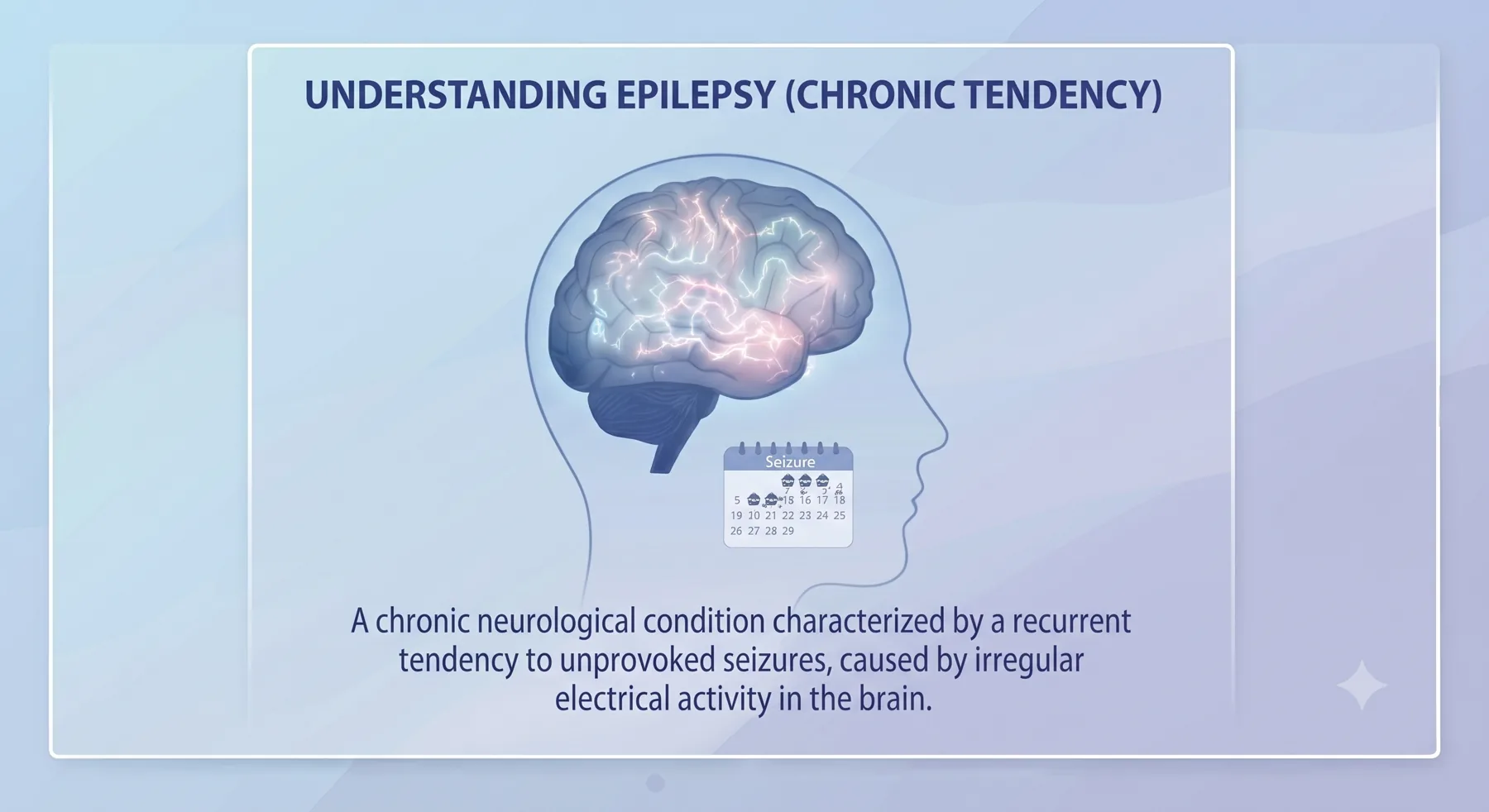
Epilepsy is a condition of the brain characterized by a tendency to have repeated seizures. A seizure is a brief change in the brain’s electrical activity, which can manifest in various ways—from a full convulsion to a few seconds of blankness. It is one of the most common neurological conditions globally, affecting approximately 50 million people and roughly one child in every hundred.
Most importantly, epilepsy is not contagious, and it has absolutely no bearing on a person’s intelligence or character.
Seizure Forms Are Unique
Because seizures originate in different areas of the brain, they take different forms. Knowing a child’s specific pattern is far more valuable than a general list of symptoms.
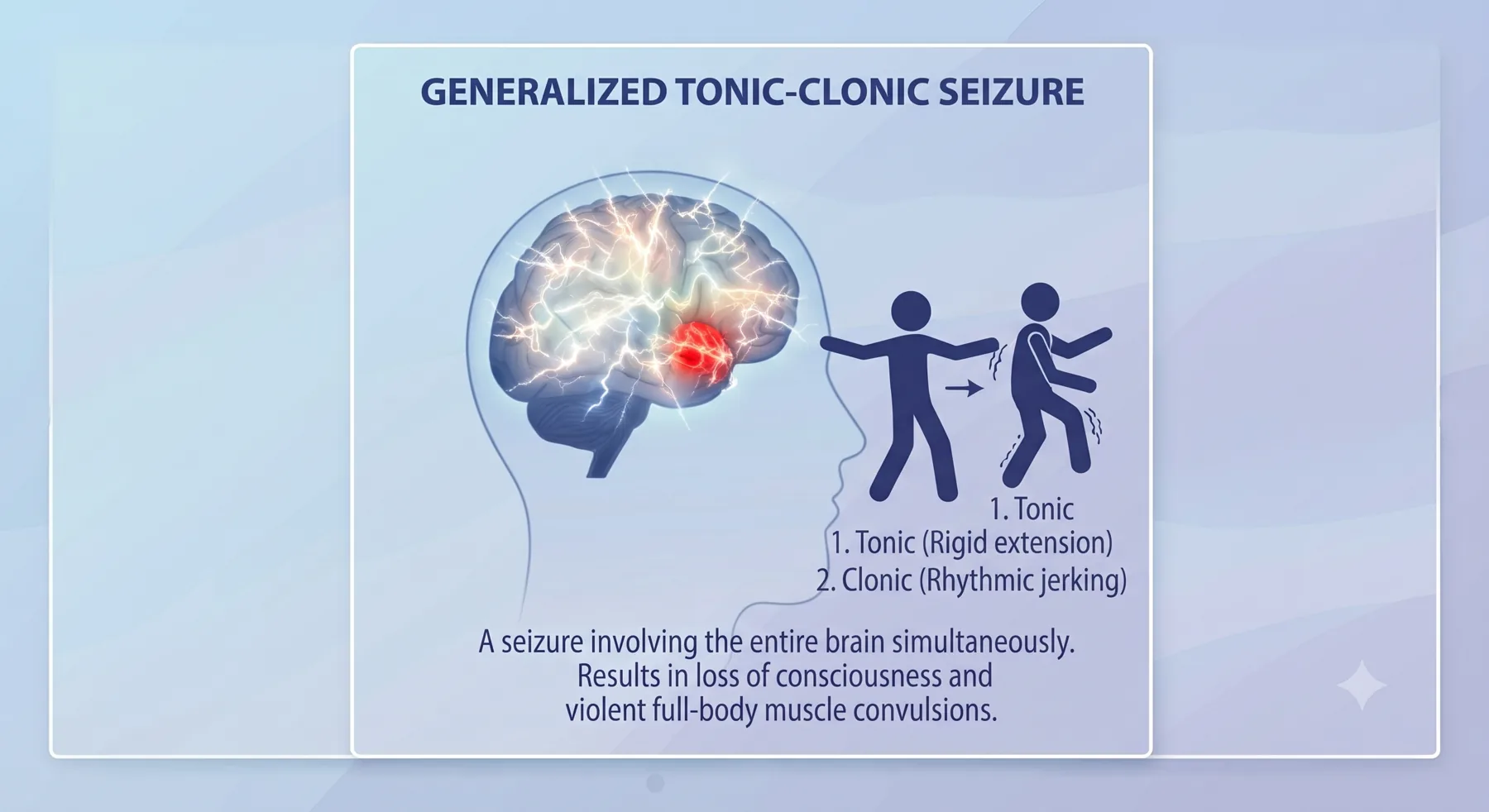
Generalized Tonic-Clonic: Often pictured as a full convulsion, this involves the body stiffening followed by rhythmic jerking.
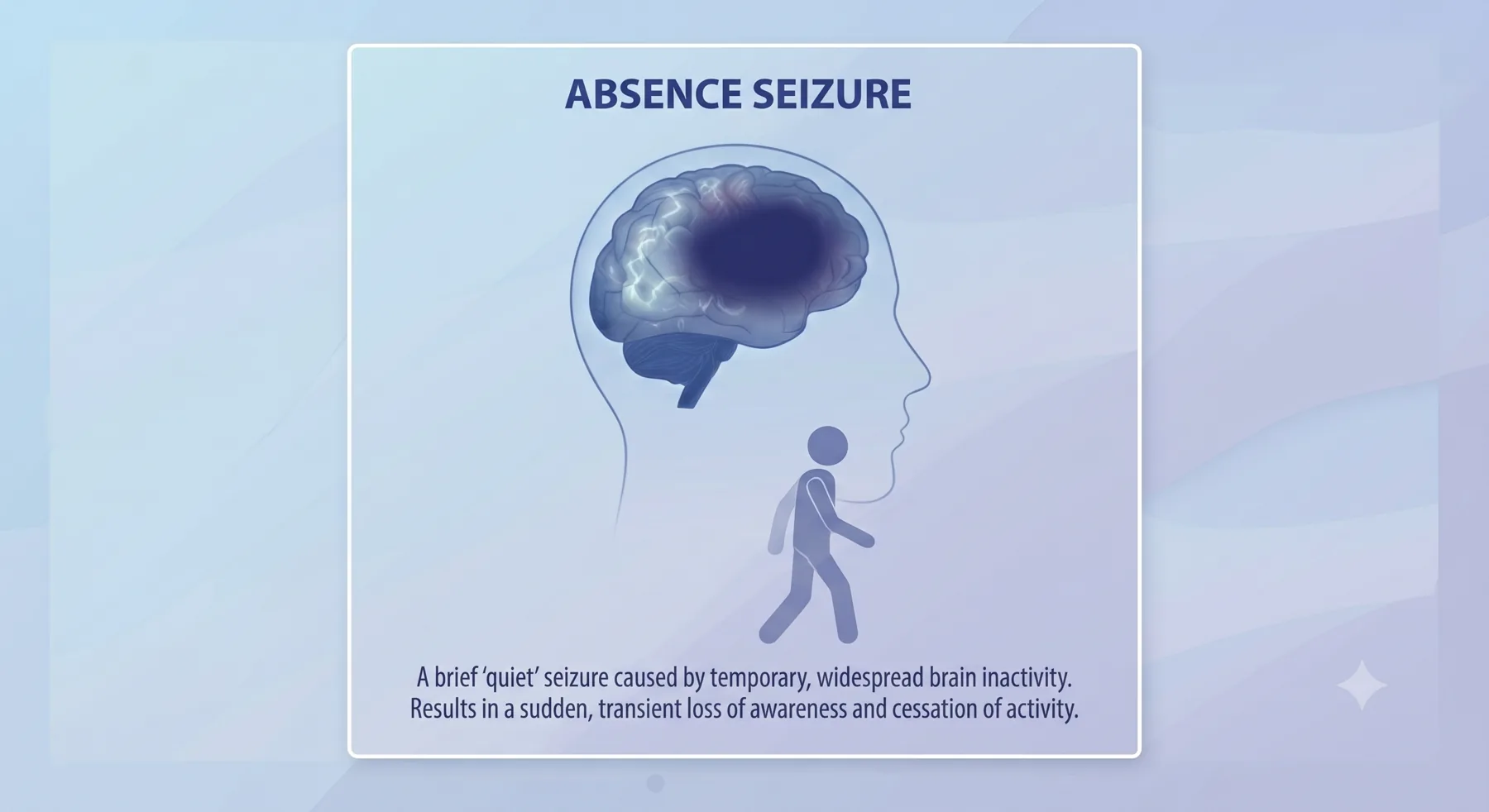
Absence: These can be quieter, appearing as a brief pause in activity or a sudden stare.
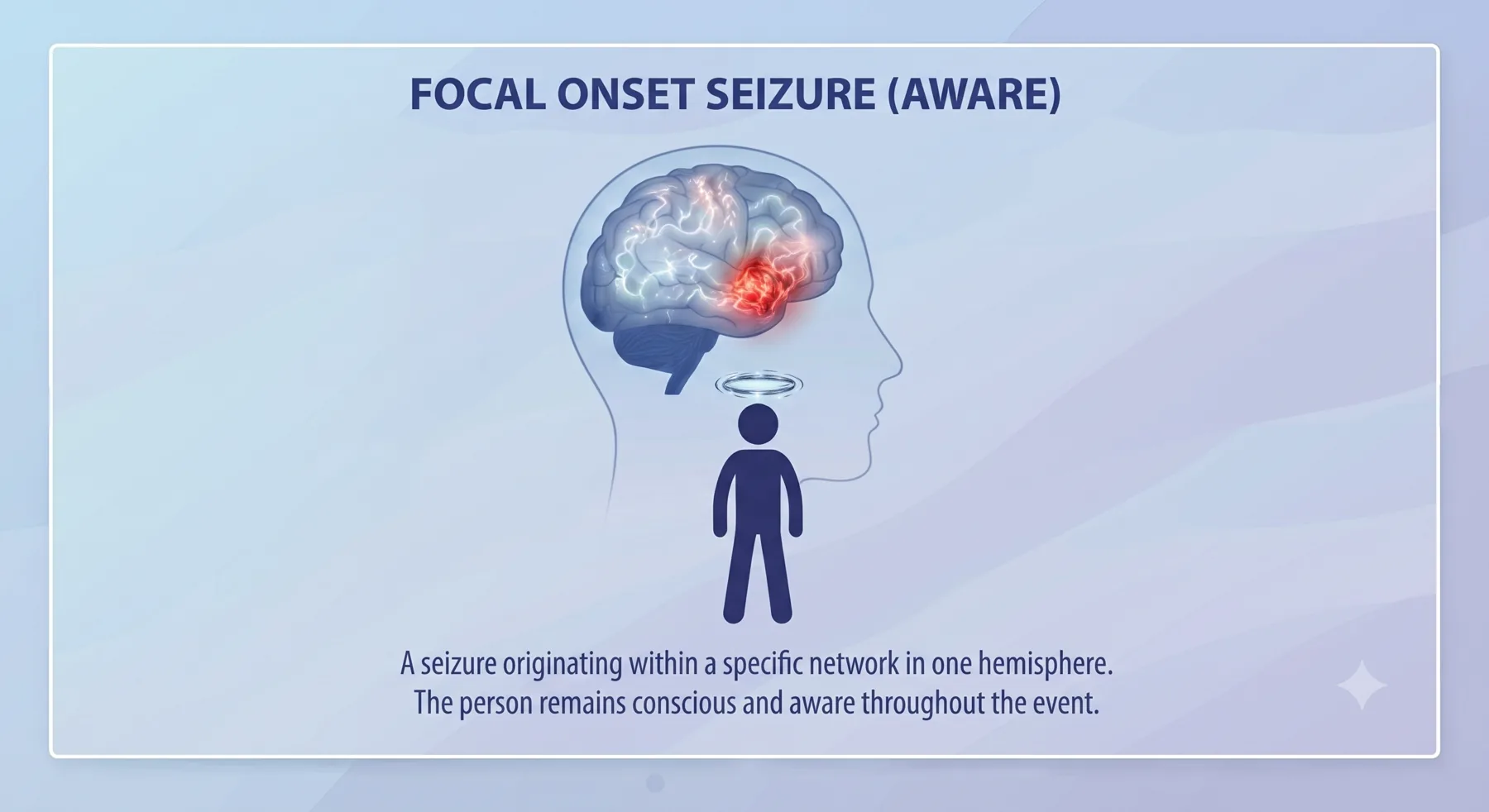
Focal: These may bring about unusual sensations, feelings, or movements, during which the person often remains partly aware.
Atonic (‘Drop’): This seizure type causes a sudden loss of muscle tone.
Managing Triggers & Tracking Patterns
While triggers vary, keeping a simple record of when seizures occur and what preceded them helps families and doctors identify patterns. Common triggers include:
- Tiredness and broken sleep.
- Missed medication.
- Illness or fever.
- Stress.
- Dehydration.
- Flashing or flickering lights (though this is less common than often assumed).
The Path Forward: Treatment & Quality of Life
Epilepsy is often well-controlled; with the right anti-seizure medication, up to seven in ten people become seizure-free. The primary challenge in many regions remains access to proper diagnosis and medication, which is the single most important step for those who need help.
Most children with epilepsy participate fully in school, play, and friendships. By providing clear information to teachers and caregivers—and maintaining a written plan—everyday life can be kept calm, safe, and fulfilling.
This is general information drawn from reputable sources, not medical advice. Always follow the plan agreed with the person’s own clinician.