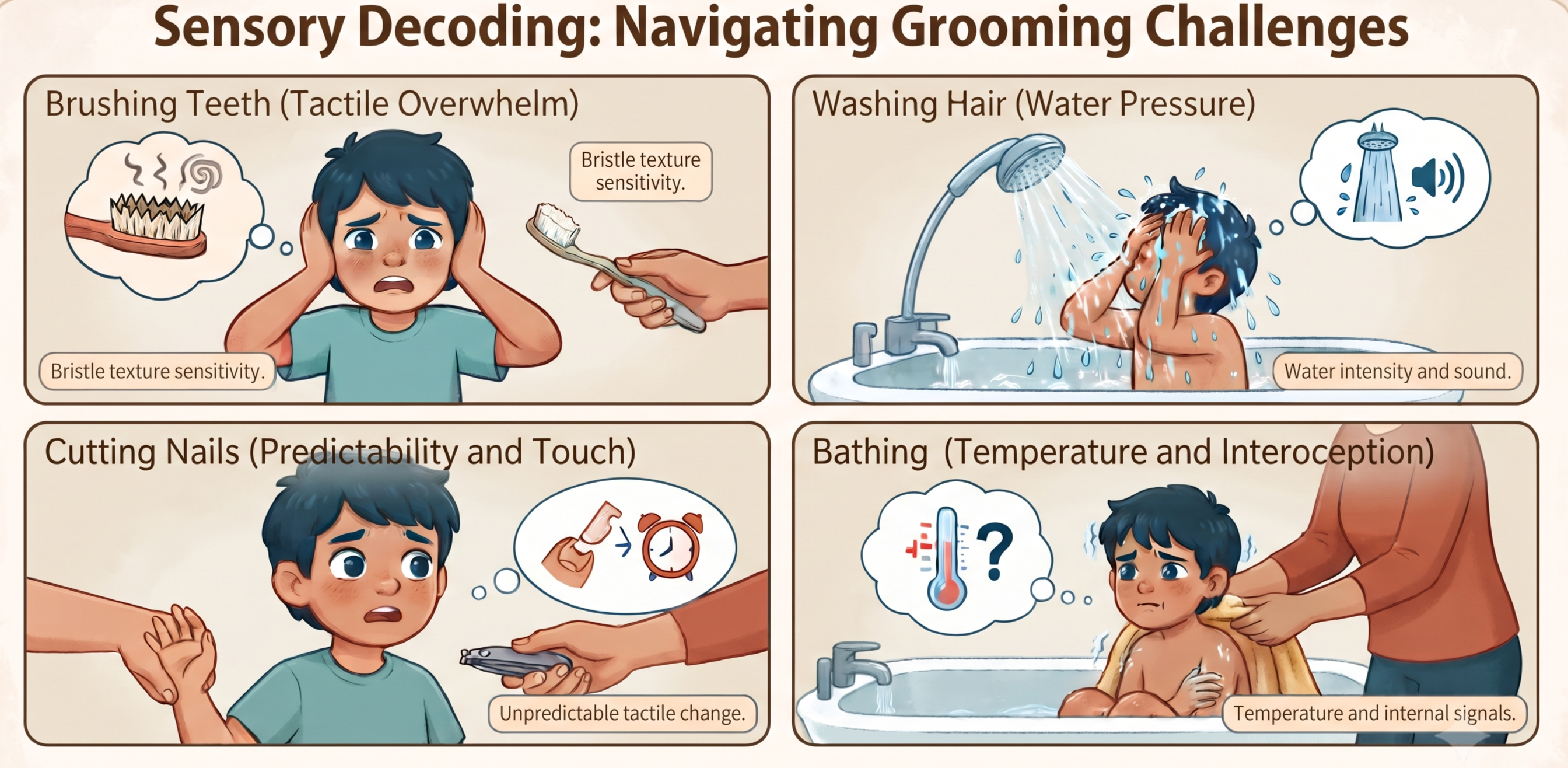
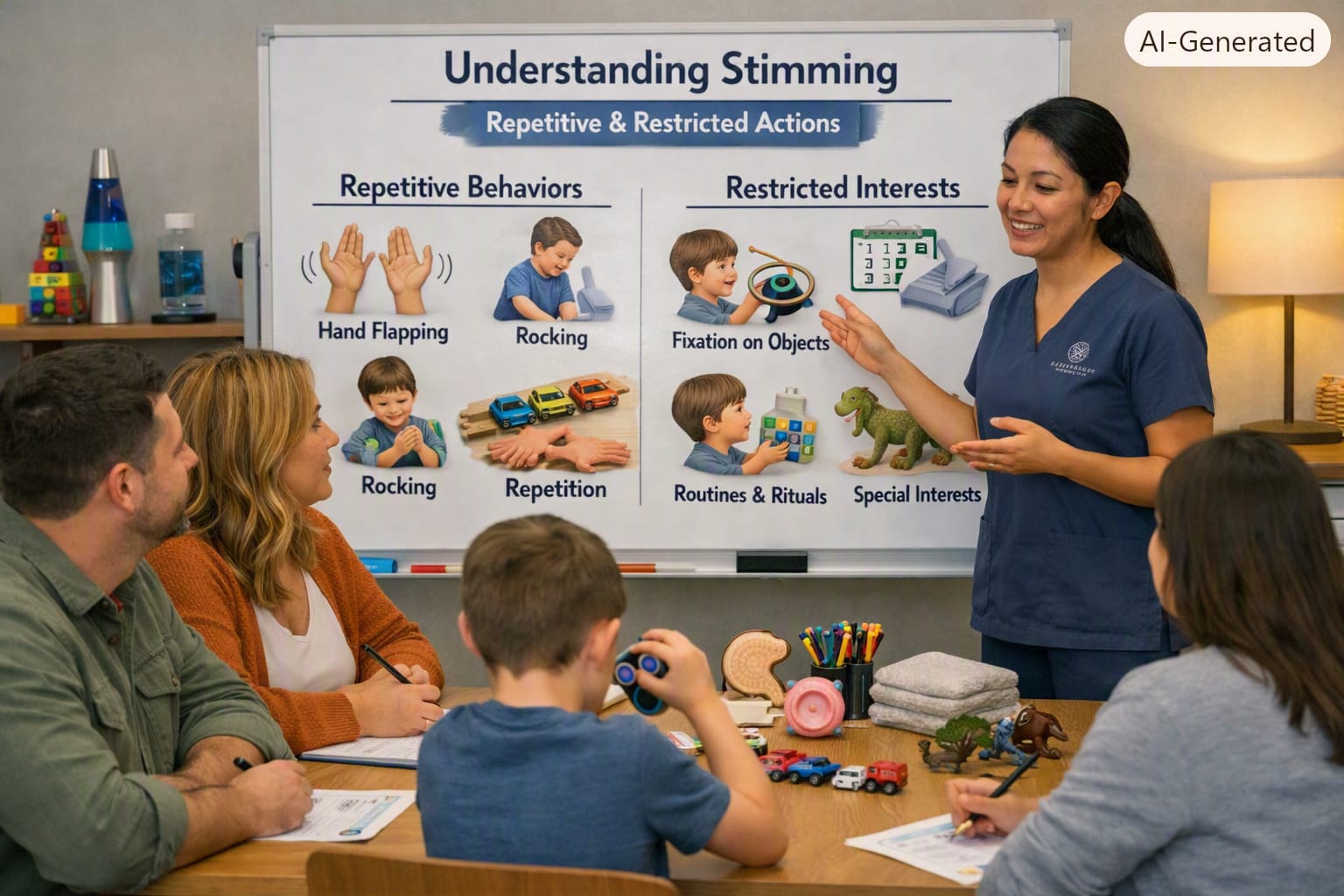
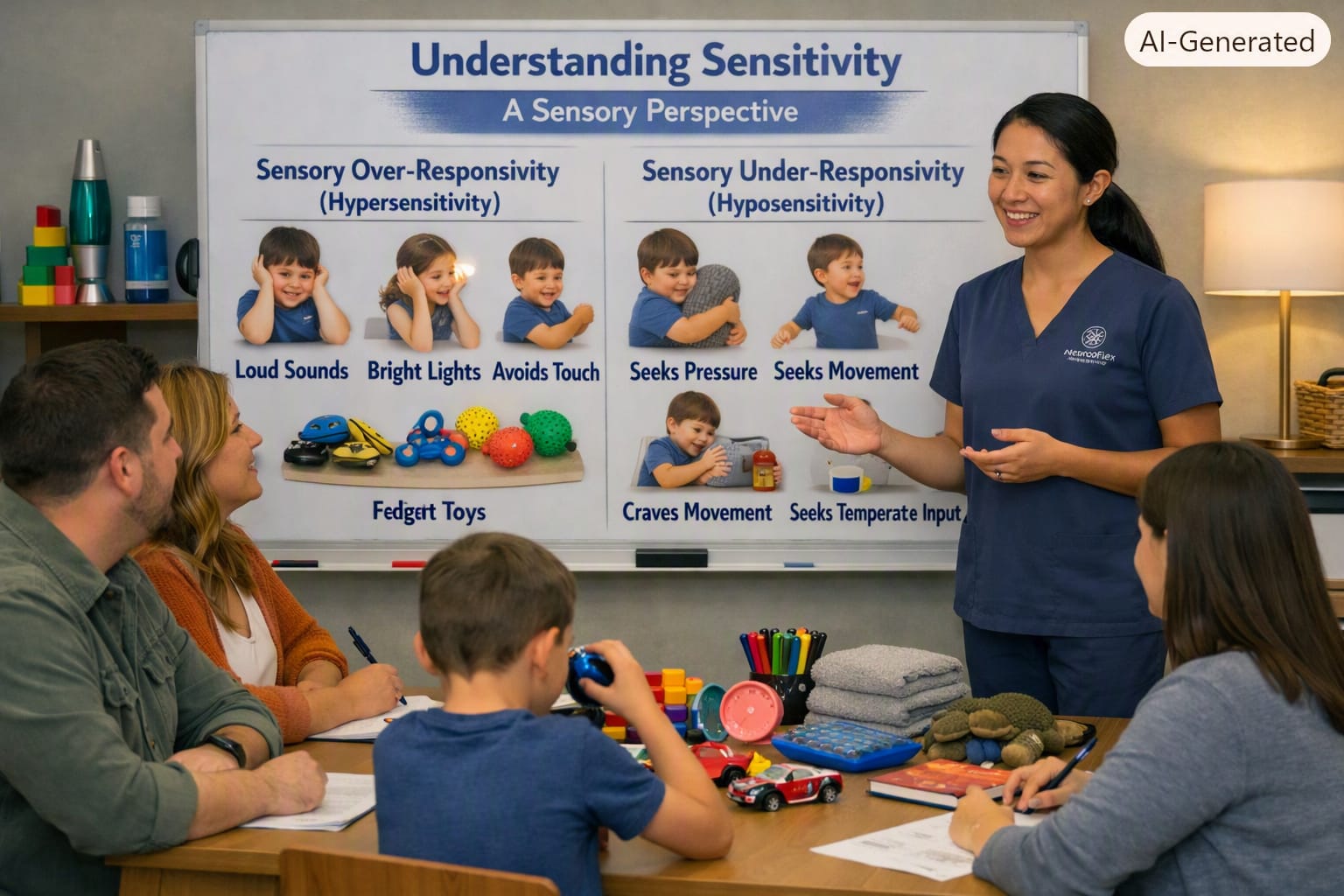
Everyday grooming routines—such as brushing teeth, washing hair, cutting nails, or bathing—can present significant challenges when a child experiences sensory input differently. For many, the tactile sensations of bristles, the taste of toothpaste, the feel of water, or the auditory input of hair clippers can be perceived with an intensity far greater than for others.
Beyond these sensory barriers, interoception—the ability to sense internal signals—plays a vital role. Some individuals may be under-sensitive to these signals, potentially failing to notice hunger, thirst, temperature, or the need for the toilet until those needs become urgent. Because many traditional grooming routines rely on an individual’s ability to notice and act upon these internal cues, these routines can quietly fall apart.
Supporting Agency and Self-Care Mastery
Rather than viewing grooming as a "battle" to be won, we can shift our approach to prioritize autonomy and agency. By adapting the most challenging parts of a routine, we create an environment that supports a child’s independence and confidence.
Strategies for Success
Promoting Sensory Comfort to Support Independence: Adapting tools, such as using a softer brush or flavor-free toothpaste, removes sensory barriers and allows the child to focus on the motor skills required for self-care.
Encouraging Agency: Empowering the child to manage their own grooming tools—or "co-piloting" by letting them hold the tool while you guide their hand—teaches them that they have control over their own sensory input.
Fostering Mastery through Predictability: Implementing a fixed, familiar order or providing clear warnings before changes (like turning on water) creates a predictable environment that fosters the child’s confidence and mastery.
Respecting Sensory Boundaries: A child’s refusal to participate is often a way of communicating a sensory boundary. By respecting these boundaries, you validate the child’s experience and teach them that their voice matters, which is the foundation of fostering their autonomy.